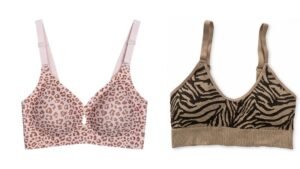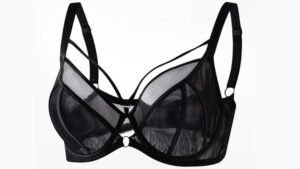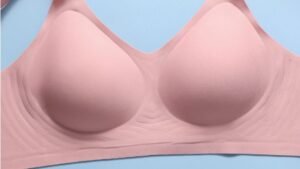
Rayon is often considered when lingerie brands need a fabric that feels soft against the skin, drapes well and remains accessible for volume production. But choosing rayon fabric based only on a soft sample or an attractive fabric price can create problems later, especially when shrinkage, elastic recovery, dye-lot consistency and order quantity have not been fully evaluated.
From a manufacturing perspective, rayon works very well for some intimate apparel categories, including basic panties, sleepwear, relaxed bralettes and maternity underwear. It is much less suitable for products that depend on strong compression, high recovery or repeated intensive washing.
The bigger question for buyers is therefore not simply, “Is rayon a good fabric?” It is whether a particular rayon material matches the construction, performance target and commercial structure of the product being developed.
This guide explains what rayon is, what it is made of, how it performs in lingerie, and what can go wrong in bulk production, helping brands and buyers determine whether rayon fabric is suitable for their products, control sourcing risks and make better material and cost decisions before placing a bulk order.
What Is Rayon Fabric?
What Is Rayon?
Rayon is a regenerated cellulose fiber. In simple terms, manufacturers take cellulose from plant-derived raw materials, process it into a form that can be spun, and regenerate it into textile fiber.
The U.S. Federal Trade Commission formally defines rayon as a manufactured fiber composed of regenerated cellulose. That distinction is important because rayon does not fit neatly into the same category as either cotton or petroleum-based fibers such as polyester and nylon.
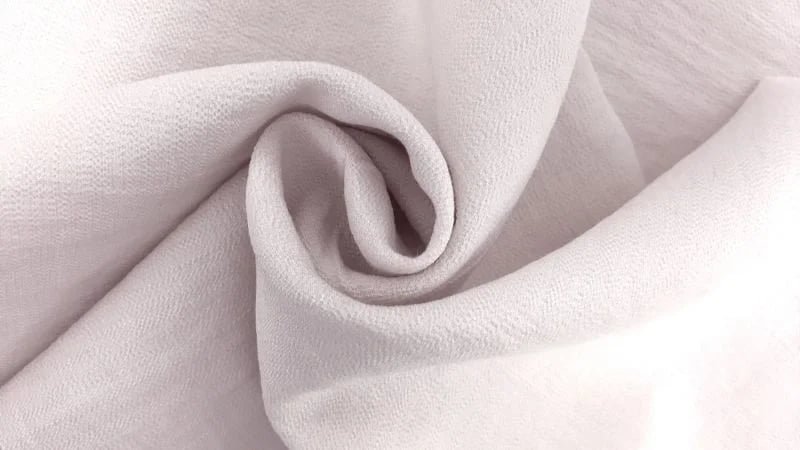
For lingerie buyers, the classification itself matters less than the practical result. Rayon fabrics are commonly considered where a product needs a soft hand feel, fluid drape and good moisture absorption without moving immediately into more expensive cellulosic fiber options.
What Is Rayon Made Of?
Most man-made cellulosic fibers are produced from cellulose pulp, with wood being the dominant feedstock. Depending on the fiber producer and process, other cellulosic sources can include bamboo-derived material, cotton linters and increasingly some recycled cellulosic inputs. Textile Exchange describes viscose, modal and lyocell as major forms of man-made cellulosic fibers made by processing cellulose pulp and regenerating it into fiber.
For a buyer, this is more than background information. Changes in the raw material source, fiber production or finishing can influence how the final fabric feels and performs.
Two fabric lots may show the same nominal composition on a specification sheet but still differ in softness, shrinkage or production stability. That is one reason we evaluate the actual bulk fabric instead of approving material based only on the fiber name.
Is Rayon a Natural Fiber?
No. Rayon is not classified as a purely natural fiber.
Its cellulose comes from plant-derived material, but the cellulose has to be processed and regenerated into textile fiber. A practical classification is:
| Fiber | General Classification | Main Source |
|---|---|---|
| Cotton | Natural fiber | Cotton plant |
| Rayon / Viscose | Regenerated cellulose fiber | Plant-derived cellulose |
| Modal | Regenerated cellulose fiber | Cellulose |
| Polyester | Synthetic fiber | Petrochemical feedstock |
| Nylon | Synthetic fiber | Petrochemical feedstock |
This is why rayon can sometimes confuse buyers. Its plant-based cellulose origin and soft hand may make it feel closer to cotton than to conventional synthetic fibers, but technically it is a manufactured regenerated fiber.
Rayon vs Viscose: Are They the Same?
In commercial textile sourcing, rayon and viscose are frequently used to describe the same regenerated cellulosic fiber family, although terminology varies by market and technical standard. Textile Exchange describes viscose/rayon as a first-generation regenerated cellulosic fiber, while the FTC includes rayon within the recognized generic names for manufactured fibers.
You will therefore often see a U.S. customer refer to “rayon,” while a European buyer, fabric mill or care label may use “viscose.”
For sourcing purposes, do not rely on the commercial name alone. Confirm the actual fiber composition, elastane percentage, fabric construction and GSM before comparing quotations from different suppliers.
Is Rayon Good for Lingerie?
The short answer is yes—but only for the right type of lingerie.
Rayon material can perform very well in comfort-oriented intimate apparel. Its main advantages are softness, moisture absorption and drape. Textile Exchange also identifies viscose as an absorbent and widely used man-made cellulosic fiber.
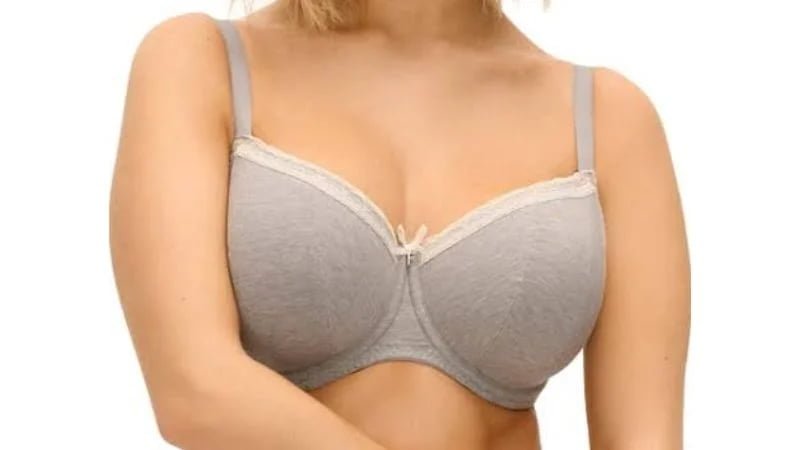
However, fiber content alone does not determine comfort or breathability. Fabric weight, knitting structure, finishing and the percentage of elastane all influence how the finished garment behaves.
Where Rayon Performs Well
Basic panties are one of the most practical applications. A rayon or rayon-spandex jersey can provide the soft hand and flexibility expected from everyday underwear without moving the collection into a high material-cost position.
Sleepwear and nightdresses are another natural fit. Rayon drapes easily, which works particularly well for loose silhouettes where fluidity and skin comfort matter more than structural support.
Relaxed bralettes and low-support wireless bras can also use rayon blends successfully. In these products, the fabric contributes comfort while elastics, linings or other components handle part of the fit requirement.
Maternity and nursing underwear can benefit for similar reasons. A soft rayon blend can work well where comfort and flexibility are priorities, provided the fabric still offers enough recovery for the intended construction.
Where Rayon Has Limitations
The biggest limitation is recovery.
A fabric can stretch without returning strongly enough to its original dimensions. That is a problem in garments that rely on the body fabric itself for support or compression.
For this reason, we normally would not choose pure rayon as the primary material for a sports bra. Sports bras need considerably stronger recovery and shape retention, particularly around the underband and body panels.
The same logic applies to shapewear. A shaping garment needs controlled stretch and compression. Pure rayon does not normally provide the modulus and recovery needed to maintain that function during wear.
We are also cautious with pure rayon in products designed for intensive repeated washing. Rayon can lose strength when wet and may shrink or stretch if the material has not been properly treated, characteristics also noted in textile guidance from the University of Georgia.
For certain seamless constructions, rayon also needs careful evaluation. Circular-knitted lingerie depends heavily on yarn behavior, knitting stability and heat-setting. A fiber that is perfectly acceptable in cut-and-sew panties does not automatically deliver the same production stability in a seamless program.
Our Production Experience: Why We Often Use Rayon With Spandex
In our own lingerie production, pure rayon has worked best in basic panties, sleepwear and relaxed wireless products. We generally avoid recommending it for sports bras or shapewear because those categories depend much more heavily on elastic recovery.
When a client likes the softness of rayon but needs a closer fit, our first question is not “Can we still use rayon?” It is whether the composition should change.
A rayon-spandex blend is often the more practical direction. The rayon provides the soft hand and drape, while the elastane helps improve stretch and recovery. The correct percentage still depends on fabric construction and the garment itself, so we confirm it through physical sampling rather than choosing a blend from the composition label alone.
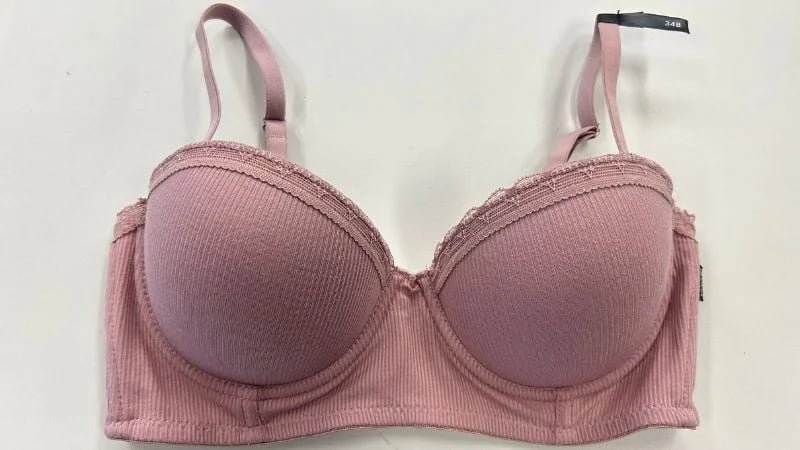
The table below provides a practical starting point:
| Lingerie Product | Rayon Suitability | Main Consideration |
|---|---|---|
| Basic panties | High | Rayon-spandex often improves fit |
| Sleepwear / nightdresses | High | Good use of softness and drape |
| Relaxed bralettes | Good | Better for low-support constructions |
| Maternity / nursing underwear | Good | Check recovery and wash stability |
| Sports bras | Low for pure rayon | Recovery and support are insufficient |
| Shapewear | Low | Compression is the priority |
| High-durability basics | Conditional | Repeated-wash performance must be tested |
| Seamless lingerie | Conditional | Yarn and knitting stability require evaluation |
What Can Go Wrong With Rayon in Bulk Production?
This is where rayon sourcing becomes more complicated than selecting a fabric swatch.
A development sample can feel excellent in your hand and still fail to represent what will happen during bulk production. For buyers, three areas deserve particular attention: shrinkage, dye-lot consistency and wet-condition performance.
Shrinkage: A Good Sample Does Not Guarantee Good Bulk Fabric
Rayon shrinkage is one of the issues we watch most closely.
A sample fabric may have received sufficient finishing or pre-shrinking and perform well during the development stage. If the bulk fabric receives different treatment, the result can change.
That difference becomes serious when a finished garment has already been graded and approved around a stable measurement standard. If the production fabric shrinks significantly more than the approved sample, panties can become shorter, waist measurements can change and a bralette can fit differently after laundering.
This is why we do not treat a supplier’s previous test result as permanent approval for future production.
Dye-Lot Variation Matters More on Large Orders
Color also needs to be controlled at the actual bulk stage.
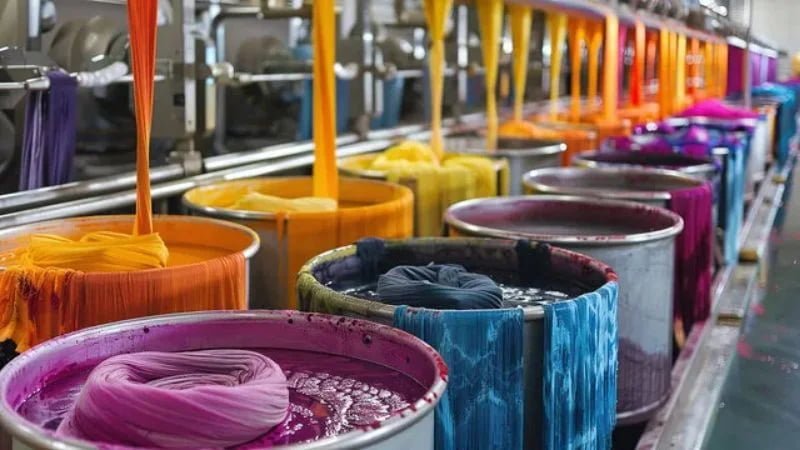
When one order requires several dye lots, the shade from one lot may not match another perfectly. Repeat orders create another risk because the new production may use a different raw material lot or processing condition.
The issue becomes more visible with dark or highly color-sensitive shades. If several fabric lots are going into the same program, we compare them before cutting rather than discovering the difference after completed garments have already been mixed.
Color migration also deserves attention when dark fabrics are packed or stored in prolonged contact with light-colored components. The risk depends on dyes, finishing and storage conditions, so it should be evaluated rather than assumed.
Wet Strength Can Expose Problems After Washing
Rayon can become weaker when wet. This means a fabric that appears normal during dry inspection may respond differently after laundering.
In lingerie, this matters around seam lines. Excessive sewing tension, unsuitable needle choice or a construction that places too much stress on a delicate fabric can lead to small openings or damage becoming visible only after washing.
This does not mean rayon is difficult to sew in every case. It means the sewing settings and fabric specification should be developed together.
From Our Production Floor: Why We Retest Every Rayon Batch
One repeat order changed the way we control rayon fabric.
The customer’s original color sample had been approved, and the first production run performed normally. When the order repeated, the fabric supplier used a different pulp source while maintaining essentially the same dyeing parameters.
The appearance initially looked acceptable, but the new fabric felt noticeably harder and showed higher shrinkage.
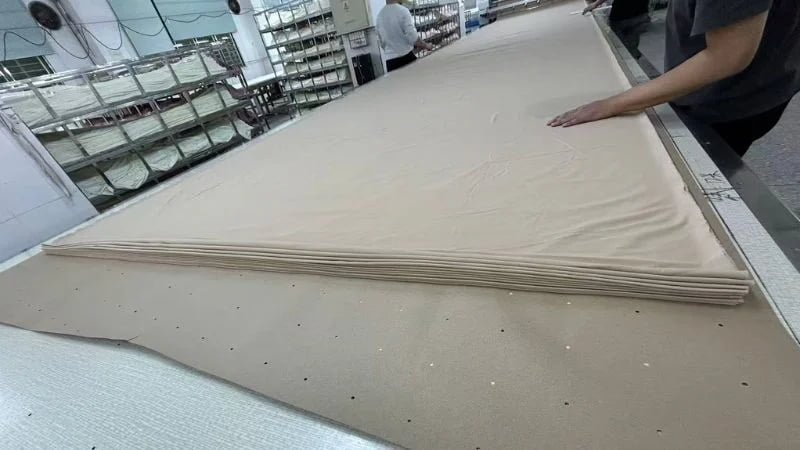
Since that order, we no longer release an incoming rayon batch for cutting simply because the previous batch passed. We first cut pieces from the actual bulk fabric, run a full wash test, compare shrinkage and check the new lots against the approved color and hand feel.
For orders involving several fabric batches, we also compare shades before production. A wet pull check gives us another practical indication of whether the fabric becomes unusually weak after moisture exposure.
These production checks do not replace formal laboratory testing when a customer or market requires a defined standard. They serve a different purpose: catching changes in actual incoming material before thousands of garments have already been cut.
How Much Does Rayon Cost for Lingerie Production?
Rayon is often described as a “cost-effective” material, but that statement needs qualification.
There is no single standard rayon fabric price. A standard-weight rayon-spandex jersey in two basic colors and a special-weight fabric developed in twelve custom shades are completely different sourcing projects.
In our quotations, the variables that usually affect cost most are total order volume, number of colors and dye-lot charges, blend composition, and fabric weight.
When Rayon Is Cost-Effective
Rayon tends to work commercially well when the program has reasonable volume, a conventional fabric specification and a controlled number of colors.
For example, if a brand develops a core panty program in black, beige and one seasonal shade, the fabric mill can use production more efficiently. Under these conditions, standard rayon can usually retain a clear cost advantage over a more premium modal program.
This is one reason rayon remains relevant for mid-market daily underwear, sleepwear and comfort basics. The material can provide a soft consumer-facing hand feel without automatically moving the finished garment into a premium fiber cost structure.
That said, the comparison is not universal. Yarn quality, finishing, origin and current fiber prices can all change the relationship between rayon, modal, cotton and polyester.
When Rayon Stops Being Cheap
The economics change quickly when the same customer asks for a small order split across many custom colors.
A dye house normally has a practical minimum quantity for each dye lot. If your quantity per color falls below that level, the mill may charge a small-lot or small-vat surcharge.
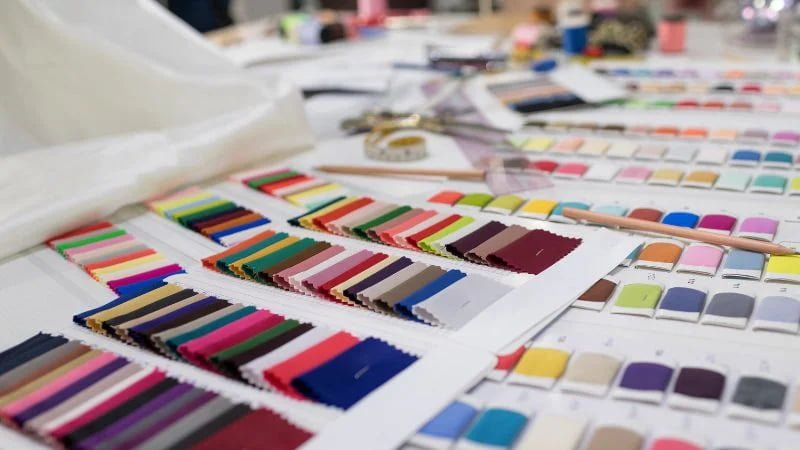
Now consider a program with twelve colors instead of three. The base rayon price may still look inexpensive on paper, but multiple dyeing charges, extra material loss and color matching can push the effective cost much higher.
Special GSM, special finishing and additional color-fixing requirements add another layer.
At that point, a buyer who selected rayon specifically to save money may discover that the final material cost is approaching a lower-priced modal option—or that another readily available fabric would make more commercial sense.
Our Sourcing Experience: Lowest Fabric Price Is Not Always Lowest Garment Cost
We see this particularly often with smaller brands that want a broad color range before their order volume has grown enough to support it.
When the budget is limited, we normally look at the sourcing structure before trying to negotiate a few cents from the fabric price.
The first option is to combine similar colors and reduce the number of dye lots. If the brand can launch six colors instead of twelve, the savings can be more meaningful than a small reduction in the quoted meter price.
The second option is to check available stock rayon-spandex fabrics. Existing fabric can remove custom-dyeing minimums and shorten material lead time, although the buyer has less freedom over exact color and specification.
If the color range cannot be reduced and the order quantity remains small, we will say so when rayon no longer provides the expected cost advantage. In some cases, a suitable stock polyester-based fabric can control the budget more effectively.
This is also why comparing fiber names alone can be misleading:
| Material Direction | Typical Strength | Main Limitation | Common Lingerie Use |
|---|---|---|---|
| Rayon / viscose | Soft hand, drape, absorbency | Wet strength and recovery need control | Panties, sleepwear, relaxed basics |
| Modal | Very soft, premium comfort positioning | Usually higher material cost | Premium briefs, comfort bras, loungewear |
| Cotton | Familiar natural-fiber positioning | Shrinkage and recovery depend on construction | Everyday underwear, basics |
| Polyester | Durability, availability, cost control | Lower moisture absorption than rayon | Fashion basics, printed items, price-sensitive lines |
The important point is not that one fiber is universally better. The most economical material is the one that delivers the required performance at the actual order structure you plan to buy.
What Buyers Should Confirm Before Sourcing Rayon Lingerie
A request such as “Please quote rayon underwear” is not enough for an accurate factory quotation.
Before sourcing, we want to understand both the garment and the commercial plan. These details help determine whether rayon, rayon-spandex or another material is the better solution.
| Information to Confirm | Why It Matters |
|---|---|
| Product type | A panty and sports bra require very different recovery |
| Target composition | Pure rayon and rayon-spandex behave differently |
| Fabric GSM | Affects hand feel, coverage and cost |
| Stretch and recovery | Determines fit and shape retention |
| Target hand feel | “Soft” can mean lightweight, brushed, smooth or fluid |
| Number of colors | Directly affects dyeing structure and cost |
| Quantity per color | Determines whether custom dyeing is practical |
| Total order volume | Strong influence on fabric price |
| Target market | May affect testing and labeling requirements |
| Wash expectations | Helps define shrinkage and durability testing |
If you do not know the exact GSM or blend percentage, that does not automatically stop development. A physical reference garment or approved fabric swatch can often communicate the target more accurately than a guessed specification.
The factory can then compare available materials, evaluate whether a stock option is suitable and develop samples before committing to bulk fabric.
Fabric Sourcing Should Be Connected to Garment Development
For lingerie, fabric selection should not happen in isolation.
The material affects garment measurements, sewing behavior, elastic compatibility, support, wash performance and even the way a pattern needs to be adjusted. A fabric that works in one style may perform poorly in another.
This is why our sourcing process normally starts with the product requirement, not with a fabric catalog.
For an everyday panty, we may prioritize softness, recovery and shrinkage. For a relaxed bralette, we also look at whether the body fabric works with the elastic and lining. For maternity underwear, comfort is important, but the fabric still has to maintain an acceptable fit after repeated stretching and laundering.
After a material direction is selected, sampling gives the buyer a chance to evaluate the fabric as part of a finished garment. Before bulk cutting, the production fabric is checked again for the characteristics that could affect size or appearance.
That process is more reliable than asking a brand to purchase several thousand meters of fabric independently and only then discovering whether the material works with the intended lingerie construction.
Frequently Asked Questions About Rayon Fabric for Lingerie
Is rayon fabric good for lingerie?
Yes, rayon can work very well for basic panties, sleepwear, relaxed bralettes and maternity lingerie where softness and drape are important. Products requiring strong compression or high elastic recovery usually need a different material or a carefully selected rayon-elastane blend.
Does rayon material shrink after washing?
Rayon can shrink or change dimensions if the fabric has not been adequately processed or stabilized. For bulk lingerie production, we recommend testing the actual production fabric before cutting rather than relying only on the development sample or a previous fabric lot.
Is rayon a natural fiber?
No. Rayon is a regenerated cellulose fiber. Its cellulose comes from plant-derived material, but industrial processing is required to convert that cellulose into textile fiber.
What is rayon made of?
Rayon is made from cellulose. Wood pulp is the most common source, while other cellulosic feedstocks can include bamboo-derived material, cotton linters and some recycled cellulose sources.
What is the difference between rayon and viscose?
Rayon and viscose are often used for the same regenerated cellulosic fiber in commercial textile sourcing, with terminology varying between markets. When purchasing fabric, the safer approach is to confirm the exact labeled fiber composition, blend percentage and fabric specification rather than relying only on the name.
Is rayon cheaper than modal for lingerie?
In our sourcing experience, standard rayon is often more economical than modal when order volume is sufficient and the program uses regular specifications with relatively few colors. Small quantities, many custom colors, special GSM or finishing can reduce or completely remove that cost advantage.
Can rayon be blended with spandex for underwear?
Yes. Rayon-spandex is often more practical than pure rayon for close-fitting underwear because the elastane improves stretch and recovery. The correct ratio should still be selected according to garment construction, target fit and fabric weight rather than using one composition for every product.
Conclusion
Rayon can be an effective material for lingerie when softness, drape, comfort and controlled cost are more important than heavy compression or very strong elastic recovery.
For basic panties, sleepwear, relaxed bralettes and selected maternity products, rayon or rayon-spandex can be a practical direction. For sports bras, shapewear and high-performance constructions, another material is often more appropriate.
The most important sourcing decision comes before bulk production: confirm how the actual fabric behaves after washing, check color consistency between lots and make sure the order quantity and color structure still support the expected material cost.
If you are developing a rayon or rayon-spandex lingerie collection, send us your product reference, target composition, quantity and color plan. As an OEM/ODM lingerie manufacturer, we can evaluate whether custom rayon fabric, available stock material or an alternative fabric provides the more practical production solution.