For lingerie brands, choosing between ODM and OEM is one of the most important production decisions in the early stages. This choice directly affects development speed, cost structure, brand differentiation, and long-term scalability. In practice, successful brands rarely rely on a single ODM or OEM model throughout their growth. Instead, they choose based on evolving needs—using each approach as a tool suited to different stages of development.
This article explains how lingerie brands can evaluate which production model best aligns with their current requirements and long-term strategy from four key perspectives, helping them select the most suitable manufacturing approach.
Understanding the Core Differences Between ODM and OEM in Lingerie Manufacturing
In lingerie manufacturing, ODM (Original Design Manufacturer) and OEM (Original Equipment Manufacturer) represent two fundamentally different collaboration models. The core differences lie primarily in design ownership and development responsibility.
In the OEM model, the brand retains full control over design ownership and decision-making. The brand provides its own designs, specifications, and technical requirements, the manufacturer follows these specifications strictly in production and does not take part in creative design or decision-making.
This model gives brands greater control over product identity but requires stronger internal development capabilities. Many major lingerie brands develop their collections through in-house professional design teams, then outsource production to manufacturing partners based on finalized designs, ensuring that each product fully reflects the brand’s distinctive fashion vision and aesthetic.
In contrast, under the ODM model, design leadership shifts to the manufacturer. ODM manufacturers have their own in-house design and R&D teams. They independently develop a range of lingerie design concepts covering different styles, functions, and target market positions. The brand selects products that match its brand positioning and market needs from the ODM manufacturer’s ready-made designs, usually making only minor adjustments such as color, packaging, or logo placement before launching them under its own label.
Many fast-fashion lingerie lines rely on the ODM model to quickly access a wide range of designs and respond to the market’s demand for rapid style updates. This approach significantly reduces development time and technical complexity, allowing brands to enter the market faster with lower upfront investment.
Understanding these structural differences is the first step in selecting the right manufacturing approach.
Design Ownership: When Is ODM or OEM the Better Choice
Once you understand the core differences between ODM and OEM manufacturing, you can make an initial decision on which model best suits your brand’s specific situation. Design ownership plays a critical role in shaping the long-term growth of a lingerie brand.
With OEM, the brand retains full design ownership, which allows it to deeply integrate its brand culture and unique design philosophy into product development and build a distinctive brand identity.
The brand can create exclusive lingerie styles based on its brand story and the emotional expectations of its target customers, expressing its personality and values through thoughtful details. This approach helps establish strong brand recognition and customer loyalty in the market.
With ODM, design ownership can be more complex. If the brand does not purchase exclusive rights to the design, the ODM manufacturer may sell the same design to multiple brands. This can lead to product homogenization in the market, making it difficult for the brand to differentiate itself through design.
Although the brand can distinguish its products to some extent through customized packaging or minor modifications, its competitive advantage weakens when the core design remains similar.
However, if the brand acquires exclusive rights to the ODM design, it can secure a dedicated product while still benefiting from the manufacturer’s R&D capabilities. This approach allows the brand to maintain design uniqueness and stand out in a competitive market.
If your brand has in-house design capabilities and aims to achieve strong brand differentiation, OEM is the more suitable choice. If you do not have design drawings or drafts and lack independent development capacity, ODM is undoubtedly the more appropriate option.
The Trade-Off of Speed to Market
Speed to market is a critical factor in determining a lingerie brand’s success in a competitive environment.
The ODM model offers lingerie brands a strong advantage in accelerating market entry. Since ODM manufacturers have already completed product design and development, with established design libraries and proven production processes, brands can bypass lengthy development cycles. Instead, they can select ready-made designs that align with current market trends and move directly into production.
By leveraging existing designs and proven production methods, brands can quickly test markets, reduce sampling cycles, and minimize early-stage risk. This ability to launch products quickly helps brands gain a competitive edge, strengthen their market presence, and enhance overall brand visibility and influence.
Compared with ODM, OEM involves an additional R&D and design phase, which may result in a longer time to market. the OEM model requires a full product development process. Brands must provide detailed design concepts or technical packs, conduct pattern development, complete multiple sampling and fitting rounds. While this approach offers stronger brand differentiation and design ownership, it typically extends the time to market.
If your brand aims to launch products quickly and capture market opportunities, ODM may be the more suitable option.
Development Cost Comparison
Cost and MOQ are key economic factors that lingerie brands must carefully evaluate when choosing between ODM and OEM models, as they directly influence operating costs and cash flow.
From a cost perspective, the OEM model typically requires brands to bear higher upfront development expenses. Since the brand leads the design process, it must invest significantly in market research, design and development, and sample production.
In contrast, the ODM model generally involves lower upfront development costs. Since the manufacturer has already completed the product design and development, the brand only needs to cover certain design fees and procurement costs. This allows the brand to launch products more quickly at a lower cost, effectively reducing the barrier to market entry.
MOQ is another critical factor. Under the OEM model, since production is customized according to the brand’s specific designs, manufacturers typically require a higher MOQ to distribute fixed costs such as mold development, tooling, and equipment setup.
Under the ODM model, the MOQ is generally lower. Since the manufacturer produces standardized products based on existing designs, the MOQ requirements are typically more flexible.
However, if the ODM design is purchased exclusively or undergoes significant structural modifications, the project effectively shifts toward an OEM model, which typically results in a higher MOQ.
For small and startup brands, ODM typically offers lower development costs and more flexible entry conditions, making it a more accessible option. In practice, brands should evaluate both models based on their financial capacity, market positioning, and projected sales volume, and then choose the manufacturing approach that best aligns with their business strategy.
Long-Term Strategic Considerations: Supplier Dependency
From a long-term strategic perspective, supplier dependency is another critical factor brands must consider when choosing a manufacturing model.
Under the ODM model, brands tend to rely more heavily on the manufacturer. Since the manufacturer handles both design and production, the brand may have limited control over supply continuity, quality consistency, and product innovation. If the manufacturer encounters production issues, supply disruptions, or quality instability, the brand’s operations can be significantly affected.
Furthermore, if a manufacturer’s R&D falls behind and fails to keep pace with fashion trends or functional innovation in the lingerie industry, the brand may find itself in a reactive position, struggling to respond quickly to market changes.
In contrast, the OEM model gives brands greater control over supplier management. Brands can work with multiple manufacturers to diversify supply risk and reduce dependency on a single partner. They can also implement stricter selection and oversight processes to ensure production aligns with their technical requirements and quality standards.
By building long-term, stable partnerships with selected manufacturers, brands can collaborate on technical development and innovation, ultimately strengthening product competitiveness and supply stability.
Industry Insight: How Lingerie Brands Navigate ODM and OEM in Practice
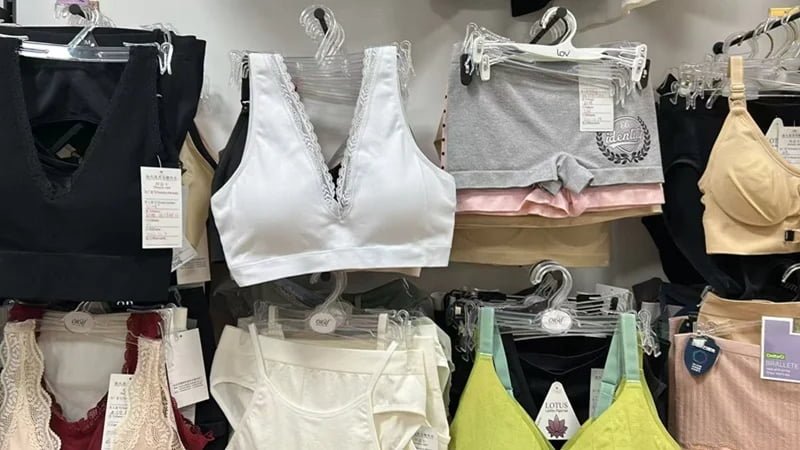
In practice, most successful lingerie brands do not commit exclusively to ODM or OEM. Instead, they adopt a phased or hybrid strategy.
ODM is frequently used during early stages to validate demand and accelerate launch timelines, while OEM becomes the preferred model as brands refine their identity, increase volumes, and strengthen internal development capabilities.
The most effective manufacturing decisions are not based on labels, but on alignment—matching the manufacturing method to the brand’s current maturity, resources, and long-term vision.
Partner with Xiesheng to Manufacture Your Lingerie
With over 15 years of industry experience, xiesheng is a trusted ODM and OEM lingerie manufacturer capable of meeting diverse production needs. We have partnered with over 100 international brands and have a proven track record of successful collaborations.
If you have any questions, please feel free to contact us!
FAQ
Q1: Is ODM or OEM better for a new lingerie brand?
For emerging lingerie brands with limited in-house design resources, ODM is often a practical starting point. It reduces development time and upfront investment. However, brands aiming for strong product differentiation and long-term brand positioning may eventually transition toward OEM as they grow.
Q2: Can a brand switch from ODM to OEM later?
Yes. Many brands begin with ODM to test market demand and later shift to OEM once they establish stable sales and clearer brand positioning.
Q3: When does a hybrid ODM–OEM strategy make sense?
A hybrid strategy works well when brands need speed in some categories and differentiation in others. For example, basic or trend-driven styles may use ODM, while core collections or signature products are developed through OEM.
Q4: Does OEM always require a higher MOQ than ODM?
In most cases, yes. OEM projects typically involve customized design development, tooling, and setup costs, which lead to higher minimum order quantities. However, MOQ ultimately depends on product complexity, materials, and manufacturing processes. An exclusive ODM design can also result in higher MOQs.

hello world
hello world